
ARTICLES ON DAYLIGHT
Explore
Daylighting of buildings, visual comfort and low-energy design.
PUBLICATIONS
ARTICLES, PRESENTATIONS
DESIGN GUIDES FOR STUDENTS
'FREE KNOWLEDGE FOR OPEN MINDS'
Access articles and publications on architecture, daylighting strategies for interiors, algorithmic design tools, Open BIM workflows, and basic principles for low-energy building design.
Explore design guides created for architecture students, and equally valuable to practicing architects. Discover how light, form, function, and technology shape sustainable and human-centered buildings.
These selected publications are freely available for personal, non-commercial online reading and sharing—no sign-up or email required. Please read the 'Access and use' in the footer.
Shaping spaces with light - design principles and the EN 17037 EU standard
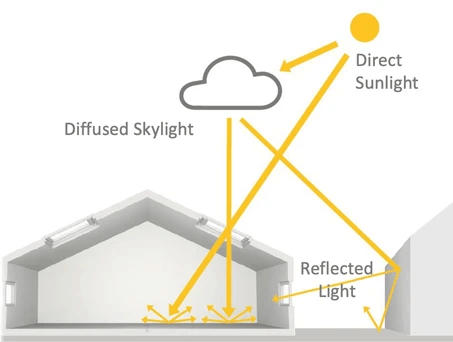
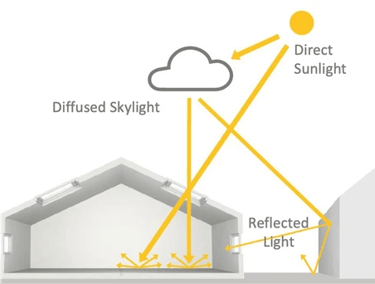
Light is one of architecture’s most influential materials. It transforms spaces, affects well-being, and animates buildings. This presentation encourages students of architecture and practicing architects to explore the art and science of daylighting, guided by the principles in the EN 17037 standard. Learn the fundamentals of natural and artificial lighting, the regulatory framework, and design strategies. Discover how mindful daylight design can improve comfort, sustainability, and the human experience of architecture.


Daylighting principles for architects for the early design stage
This article presents tools that assist architects in understanding how their design choices influence the daylighting performance of buildings during the early or conceptual phase. These tools provide quick results, require no preliminary studies, and deliver appropriate sizing outcomes within 15 minutes.
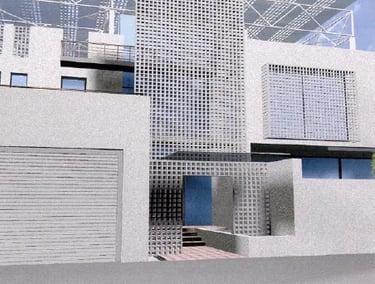
Climatic adaptation of modern housing within a traditional environment
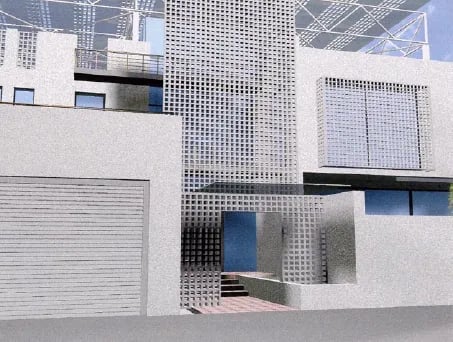
This article presents an architectural design competition entry that highlights the traditional, cultural, and economic benefits of the building's energy strategy, emphasizing its importance in the architectural design process. The house responds to Bahrain's hot and dry climate. It achieves thermal comfort with a modern appearance by using traditional methods such as reflective surfaces, managing external gains, daylighting, natural ventilation, and evaporative cooling.


Daylighting analysis of rooflights through model measurements in the artificial sky
The artificial sky can imitate different sky luminance patterns by adjusting the light sources. Interiors of any shape, surfaces made of any material, and any kind of opening can be tested using physical models and miniatures. The accuracy of this method meets all practical requirements. The sky itself is a hemisphere with a 6-meter diameter, illuminated along its perimeter beneath the horizontal plane. All standard sky conditions, such as IEC Overcast Sky, can be produced and maintained during measurements.
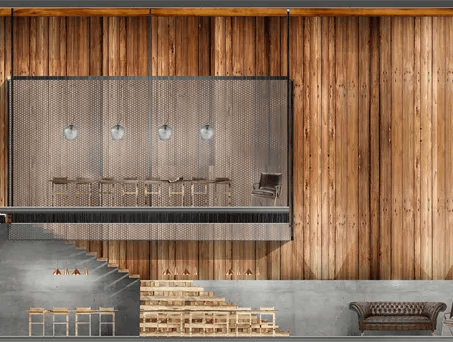
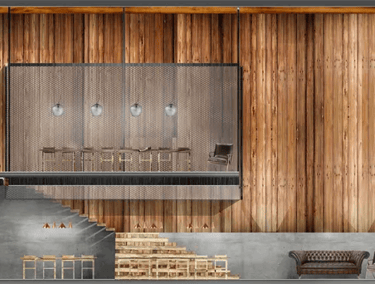
Artificial lighting in buildings - essential design guidelines
This design guide assists architecture students and practicing architects in developing effective interior artificial lighting solutions. As part of the Comprehensive Design 2 semester project, students produce detailed architectural working drawings at scales of 1:50, 1:10, and 1:5. This exercise not only sharpens technical skills but also improves the integration of lighting design into architectural practice.
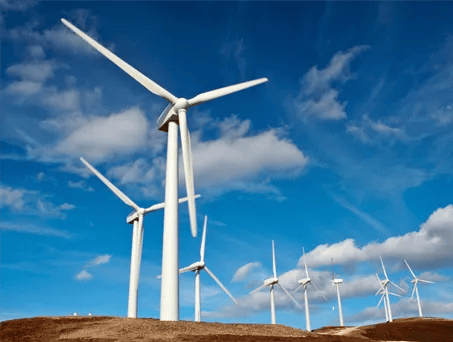
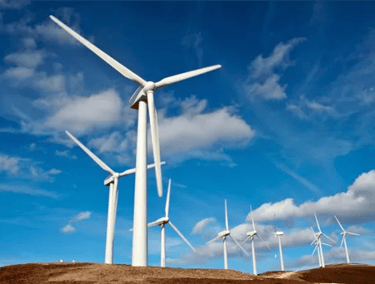
Electric power demand of buildings - essential design guidelines
This design guide helps architecture students grasp the basics of electrical power planning in buildings. It provides guidance on estimating power supply options, calculating total electrical demand, and designing key technical spaces such as switch rooms, battery (UPS) rooms, transformer stations, and generator facilities. By applying these principles in architectural design, students will develop the skills to create buildings that are both functional and prepared for modern energy needs.
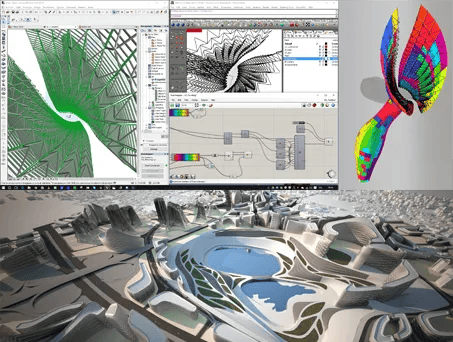
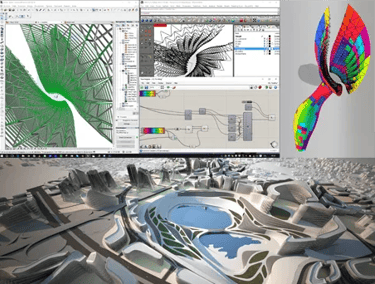
Algorithmic design for energy-efficient and site-responsive buildings
This article provides a clear and straightforward introduction to algorithmic design, focusing on its application in architectural practice. It demonstrates how algorithmic methods can be used to create energy-efficient, cost-effective buildings that adapt to site and climate conditions, while meeting regulations and supporting all essential functions. A case study illustrates a real-world design scenario, outlining the workflow steps involved in using computer software applications. Image © Mario Sacco, ZHA.
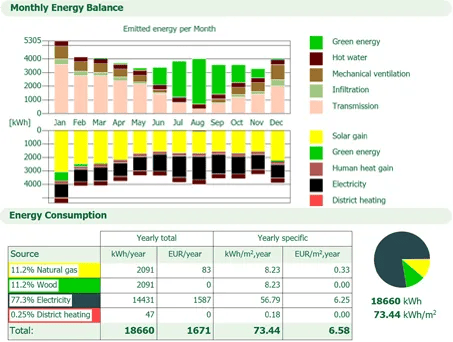
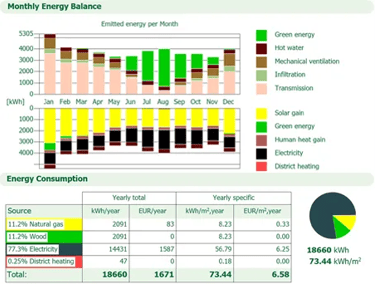
Why early design choices matter the most for building energy performance
In sustainable design, nearly 80% of decisions affecting a building’s energy performance are made by architects during the early design phase. The remaining 20% usually occur later and are handled by engineers. This highlights the importance of providing architects with quick and reliable energy performance assessment workflows—right from the start of the design process and regardless of the software tools they choose.
Algorithmic design for low-energy architecture
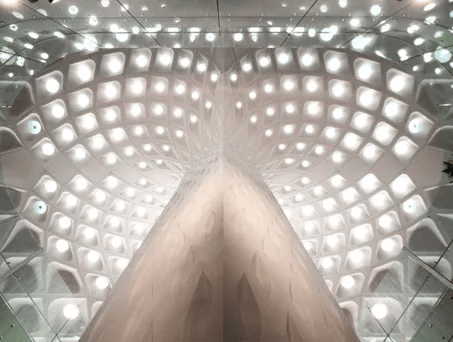
This presentation introduces architecture students to the fundamentals of algorithmic design and its role in creating sustainable, low-energy buildings. Discover how advanced design tools can improve performance, lower energy use, and support sustainable architecture. Topics include the basics of algorithmic design, its application in sustainable building strategies, and the tools that allow architects to develop smarter, energy-efficient solutions, with case studies. Photo © SOM.
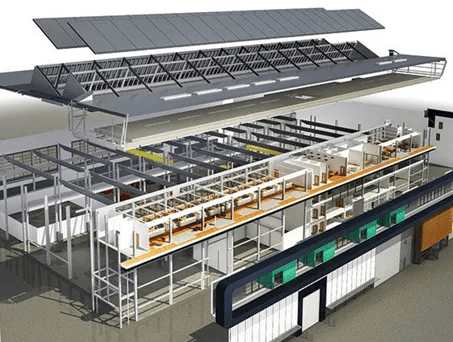
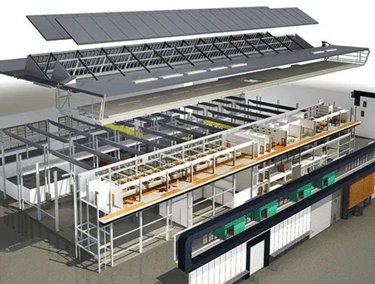
Building smarter together - the power of Open BIM
This presentation provides a historical overview of how Building Information Modeling (BIM) has developed. It emphasizes the principles of Open BIM, including collaborative design and integrated workflows, while highlighting its core values and the business advantages it offers to architects, engineers, developers, and building owners. The session also examines how Open BIM supports the entire building lifecycle—from design and procurement to construction, assembly, and long-term operation.
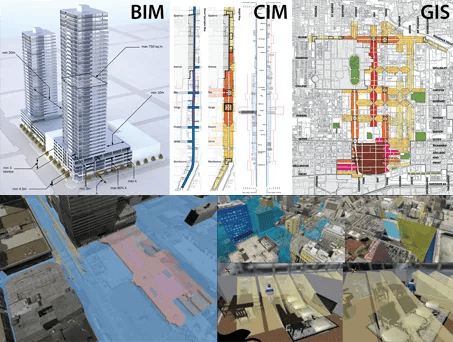
BIG data for smarter cities - save resources and improve the built environment
Smart cities utilize Information Technology (IT) infrastructure to reduce maintenance costs, conserve natural resources, and enhance living conditions for residents. Different sectors, such as traffic and healthcare, are developing smart city technologies. However, energy, water, and waste management sectors greatly influence our sustainable future; therefore, these sectors are at the forefront of technological advancements.
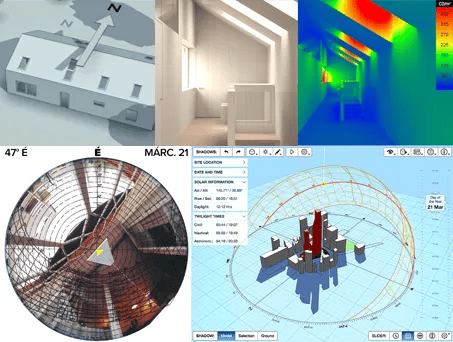
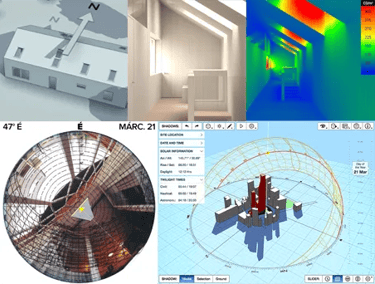
Well-being and energy performance through daylight - the 17037 EU standard
This article compares the current Hungarian building code regulations with the normative proposals of the EN 17037 European Standard. The EU standard addresses both the quantity and quality of daylight in buildings. It encourages architects and owners to design and create buildings and indoor spaces that are more comfortable for occupants, promote psychological well-being, reduce operational costs, and support the active use of renewable energy sources.
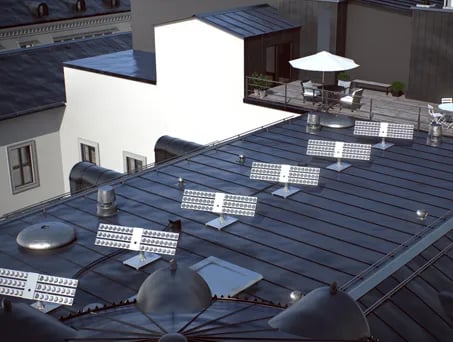
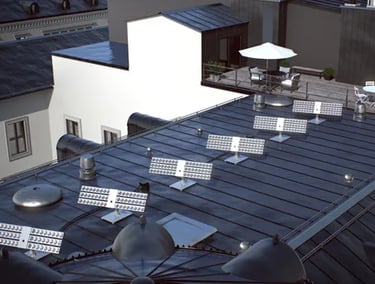
From sunlight to savings - improving indoor spaces with daylighting
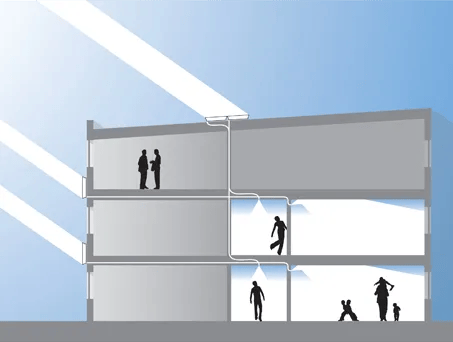
Well-designed natural lighting systems can cut electricity use for lighting by about 30–60%, depending on factors like the room’s purpose, occupancy, and building layout. People working in naturally lit environments usually experience less fatigue compared to those under artificial light. Additionally, retail spaces with natural lighting often see a big boost in customer traffic. Daylighting systems bring in zero-carbon natural sunlight into indoor spaces by capturing sunlight and guiding it—via fiber optics—deep into the building, away from windows. Image © Parans.
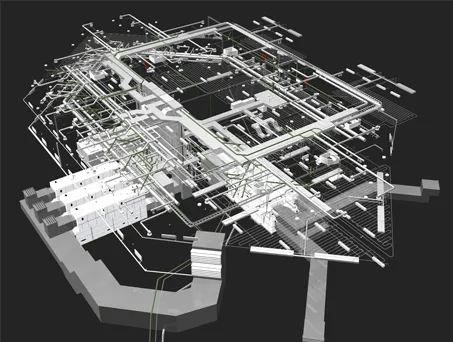
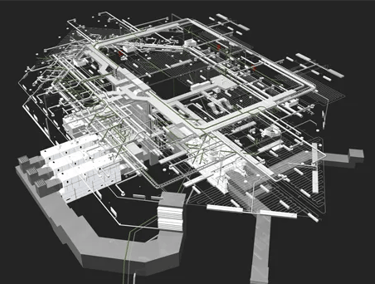
From calculations to collaboration: the impact of Open BIM workflows
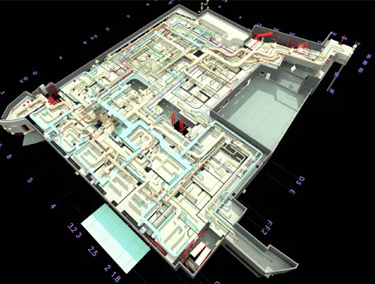
MEP engineers design and evaluate a building’s heating and cooling systems, creating piping networks and mechanical units—both indoor and outdoor—based on precise calculations. In doing so, they may also recommend adjustments to architectural elements, such as slab or wall openings, partition wall placement, or the shape of suspended ceilings. Besides the mechanical systems that directly impact architectural design, an open and collaborative environment encourages more effective teamwork, makes design revisions easier, and supports more efficient project delivery. Image © Data Design Systems.
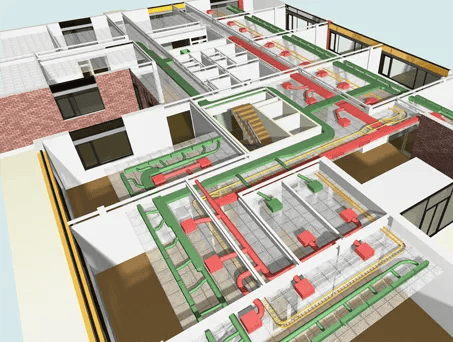
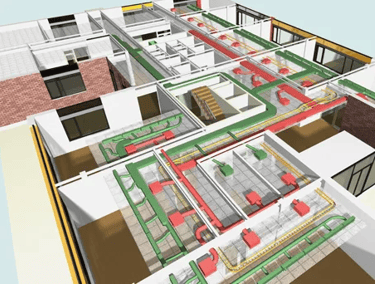
Integrating BIM for smarter MEP engineering
The BIM environment allows architects and engineers to filter and selectively display elements before sharing the design with the extended team. The open collaboration workflow ensures a smooth exchange of design information among architects, engineers, and all co-designers without any loss. At the same time, it provides powerful tools for version control—enabling teams to track revisions, review deviations and changes, and decide whether to accept or reject them.
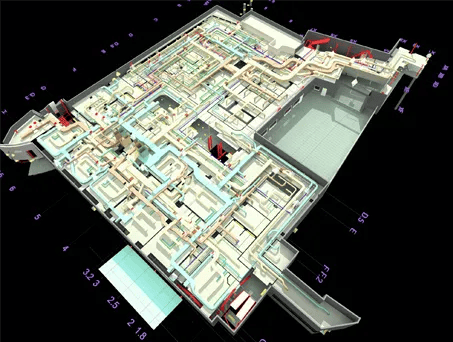
Building Information Modeling (BIM) basics
The strategic goal—a goal that also provides several business benefits—of a model-based design environment is to ensure everyone involved—designers, engineers, consultants, contractors, and facility managers—works within a shared model. This environment goes beyond merely visualizing building geometry; it also includes essential input data for planning and supports processes like sizing, analysis, and budgeting. Equally important, it offers a platform for capturing, sharing, and reusing knowledge generated throughout the design process.
Architectural design and building energy performance
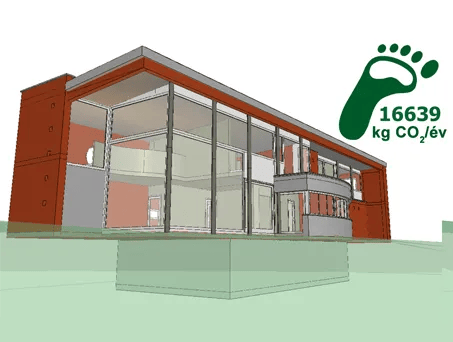
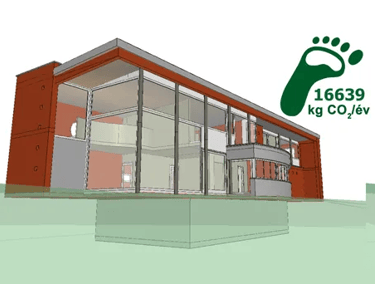
About 80% of a building’s fundamental energy performance is determined by architects during the early design and conceptual stages. In contrast, only about 20% of energy-related planning decisions are made with the involvement of energy experts—usually much later in the process. Designers often are unaware of how their early choices affect overall building performance. However, practical and easy-to-use tools are available to help architects make better-informed decisions and incorporate energy considerations from the beginning.
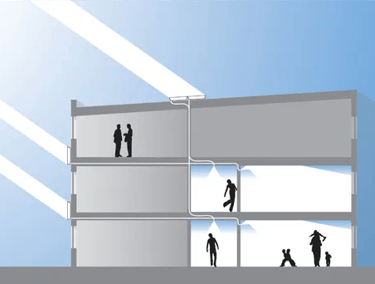
Let the sunshine in with hybrid solar daylighting systems
Lighting accounts for nearly 30% of electricity use in our buildings. By implementing solar and hybrid solar daylighting systems, we can significantly reduce this consumption while enhancing indoor lighting quality. These systems not only lower energy costs but also introduce healthier, more natural daylight into our spaces, making them brighter and more comfortable. Image © Parans.
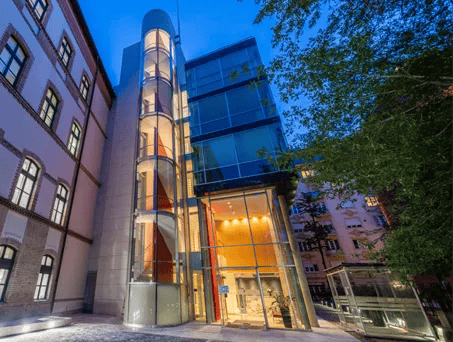
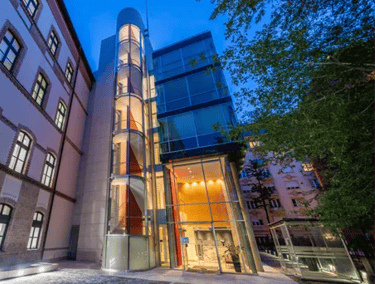
Transparent matters - the NBC office building
The NBC Building is located in Budapest, near the Hungarian Parliament on Kossuth Lajos tér and Honvéd utca, right next to the BNP-Dresner Bank headquarters. It features seven floors of fully air-conditioned, bright, stylish, and versatile space within a highly modern and technologically advanced design. A major new addition to the district's architectural landscape, it is likely to improve the area's environment.
Copyright: © 2026 Filetoth. Hozzáférés és felhasználás: Az oldalon található előadások, cikkek és publikációk ingyenesen hozzáférhetők személyes, oktatási, nem kereskedelmi célú, online olvasásra. További információ a 'Legal and Privacy Notices' oldalon olvasható. Egyéb felhasználási igény esetén kérjük, lépjen kapcsolatba a Kontakt oldalon.